January 20, 2026 / by Earl Brown
Mobility Math: Getting Customers Home Adds Dollars to the RO

We’ve treated courtesy rides like a favor for years. They’re not. They’re a margin lever hiding in plain sight and currently sitting in your service lounge. Solve a customer’s movement problem at write‑up and you unlock headspace for approvals, cut your inbound status calls, and earn CSI survey language that writes itself. Mobility, done deliberately and proactively, turns downtime into dollars—and it’s easier to run than most service teams expect.
Start at the first exchange.
A customer hears “inspection, fluids, alignment check” and silently asks themselves, “How long will I be stuck here?” Answer that question before you even talk about the car. Offer three clean paths: ride now, return later, or at‑home delivery when the job’s done. Set the expectation in one sentence: “We’ll text you when inspection is complete and give you a pick‑up window or delivery time.” You remove the hostage feeling that drags CSI and stalls necessary work.
You do not need a big loaner fleet to be great at mobility.
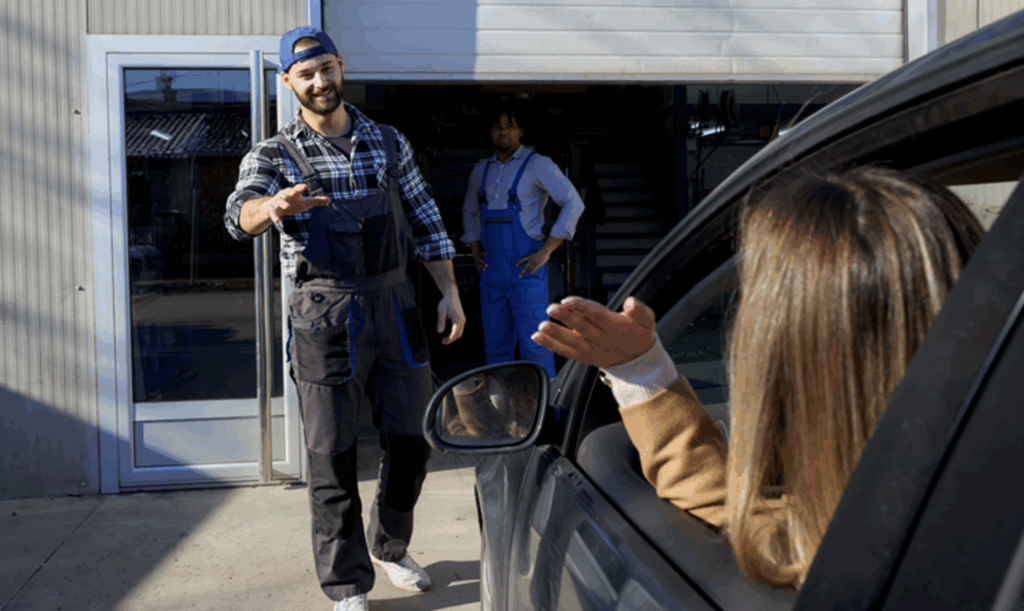
In many stores, a dealership branded ride-share, or pickup and delivery program will almost always beat out a group of drivers much less a small fleet of aging loaners on cost, control, and customer effort. The keys are predictability and ownership. Develop a mobility program, introduce it as an option for the customer early, and add as dispatch or liaison to the workflow.
Put one person in charge.
Mobility is a job, not a chore. The dispatcher owns a simple board: who needs to leave, who is due back, which ROs are cleared for delivery, and which invoices still need remote payment. Consider keeping keys and paperwork at the same station so handoffs are clean. The rule is no ghost rides and no mystery keys. Every move gets a quick digital note: time out, signature captured, contacts made in between (for approvals or upsells), time back. One linear view of the customer experience, and no blind spots.
If you want the math, build it like you would a parts‑turn analysis.
Establish a baseline: average approvals per day, average gross per approval, and shop capacity by hour. Now model frictionless mobility. If removing the “How do I get home?” barrier adds two approvals per day at $180 gross each, across 250 working days you’ve created $90,000 in annual gross—without raising rates or adding bays. If your shop has idle capacity mid‑day, mobility smooths arrivals and returns so you fill the dip with productive work instead of idle lifts.

Operations make or break the program.
Tie rides to milestone messages so the dispatcher sees when “inspection complete” will spike demand. Throttle the 11:30 a.m. outbound and the 4:30 p.m. inbound—those are the pressure points. Keep a buffer slot open in each window for unforeseen needs. Ask for remote payment before final delivery so the pickup process is seamless.
Pilot before you scale.
After choosing a ride-share and pickup/delivery partner, work a rollout plan to get everybody in your shop on the same page. Week 1: map outbound and inbound windows, pick a modest radius to offer the service, appoint a dispatcher. Week 2: offer the three options at every write‑up and document the choice customers ultimately make. Week 3: tag every RO touched by a ride or delivery and compare approval rate and average gross to baseline. Week 4: run a single‑question follow up text—“Was getting around easy today?”—and log the yes/no to the RO. Present the pilot like any other investment: incremental gross, CSI verbatims, and fewer inbound “Is it ready?” calls per RO.
Measure what matters daily:
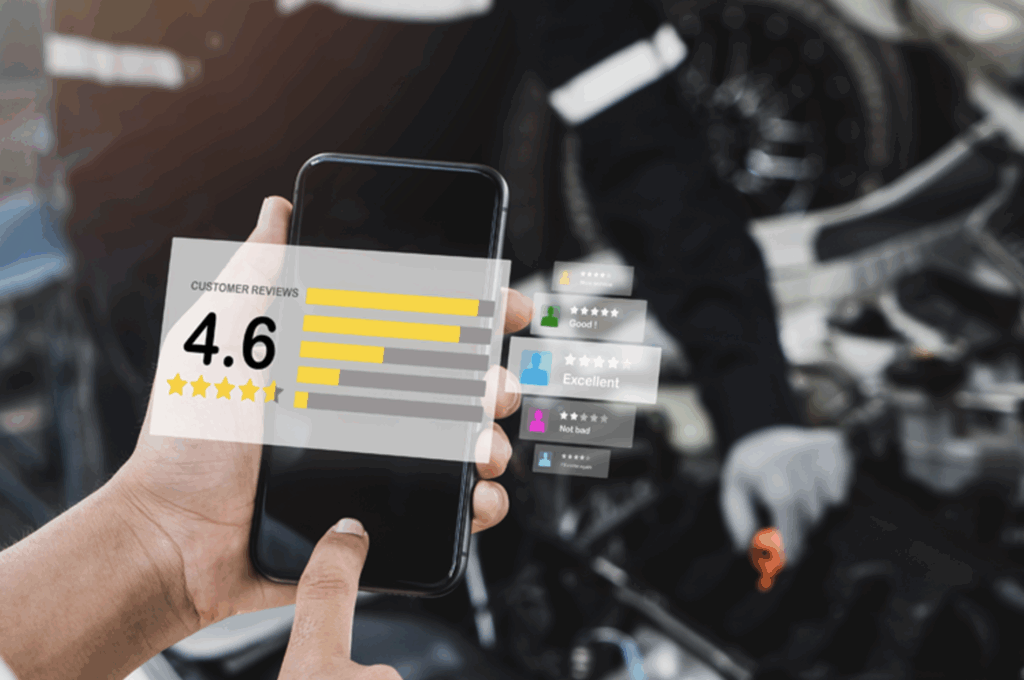
percent of customers offered mobility at write‑up, rides delivered on time, minutes from “invoice ready” to vehicle pickup, and inbound status call volume per RO. Talk about the numbers with your team. because visibility drives discipline. If the offer rate dips, the lobby fills up and advisors start playing defense.Expect secondary gains. When customers know their day won’t get hijacked, they answer texts, approve work faster, and pay before they arrive. Technicians get steadier work streams. Advisors stop apologizing and start advising. Your survey comments shift from “stuck waiting” to “they made it easy,” which is the language that moves CSI and invites repeat business. When you shorten the wait, give people flexible ways to move through their day, and keep them informed without forcing them to chase answers, they notice.
Every friction point in the service lane has a cost.
Customers waiting without options grade you harder on surveys, and those lower CSI scores show up in lost revenue down the line. By contrast, dealerships that make it simple for customers to get a ride home, pay remotely, or schedule a seamless pickup and return often see higher approval rates and bigger tickets. Respecting customer time pays back twice: once in CSI, and again in gross.
Getting customers home isn’t charity. It’s how you buy the attention required to fix the vehicle properly today—and win the next visit tomorrow. Own the mobility aspect of your service department, and you’ll own all the other related outcomes.

Share this article:


